Orthodontic problems are extremely common, and teeth rarely grow into perfect alignment on their own. Issues with tooth position or jaw alignment, known as malocclusion, can affect chewing, speaking, oral hygiene, jaw comfort, and the overall appearance of the smile.
Orthodontic concerns may be genetic or develop over time due to habits such as thumb sucking, poor oral hygiene, dental disease, trauma, or other medical conditions. Understanding the specific orthodontic problem you or your child may have is the first step toward effective correction. At Green-Barr Orthodontics, Dr. Patrick Barr and Dr. Bryan Green provide personalized orthodontic care designed to improve both bite function and long-term smile health.
What Are the Most Common Orthodontic Problems?
Below are examples of orthodontic conditions we frequently diagnose and treat for children, teens, and adults.
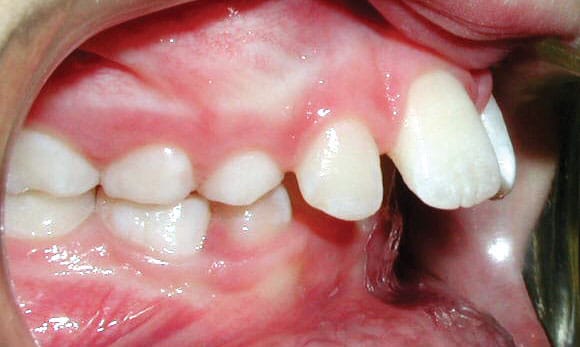
Upper Front Teeth Protrusion
Upper Front Teeth Protrusion occurs when the upper front teeth extend too far forward or when the lower jaw does not extend far enough forward. This can affect facial balance, increase the risk of dental injury, and interfere with proper biting and chewing. Orthodontic treatment helps reposition the teeth and jaws for improved function and appearance.
Overbite
An Overbite happens when the upper front teeth overlap the lower front teeth excessively. In more severe cases, the lower teeth may bite into the roof of the mouth, causing discomfort, gum irritation, or enamel wear. Correcting an overbite helps protect the teeth and supports healthier jaw function.
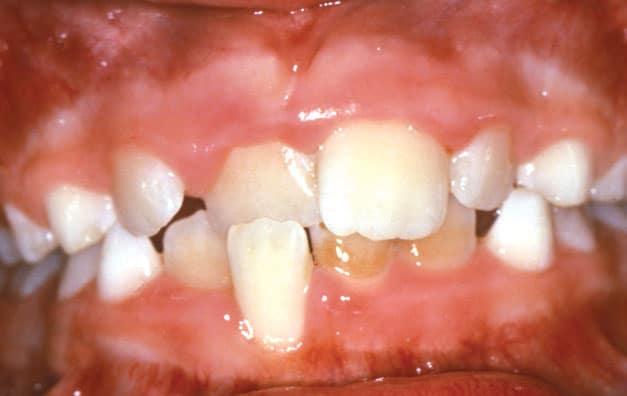
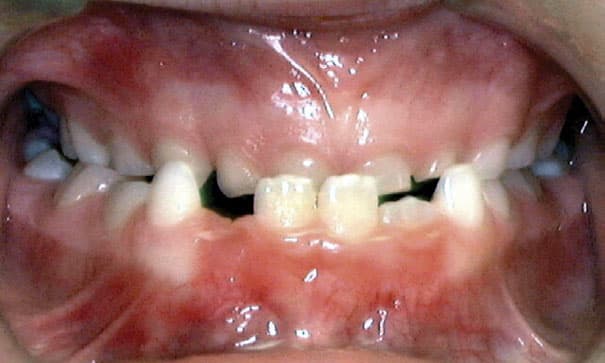
Crossbite
Crossbite occurs when one or more upper teeth sit inside the lower teeth instead of outside them. This misalignment can lead to uneven tooth wear and may affect jaw growth if left untreated. Early orthodontic care is often recommended to guide proper development and prevent long-term complications.
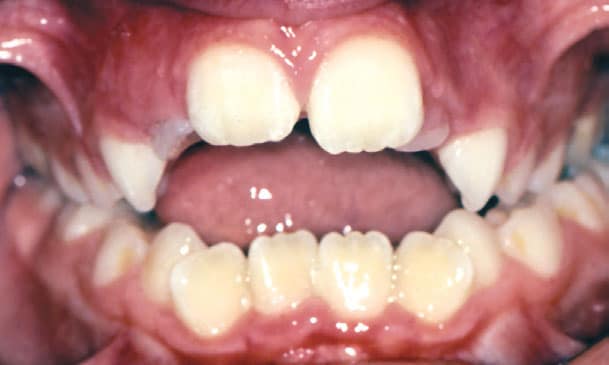
Open Bite
Open Bite is characterized by a lack of overlap between the upper and lower front teeth when biting down. This condition can make chewing difficult and may contribute to speech challenges or habits such as tongue thrusting. Treatment focuses on improving bite closure and restoring proper function.
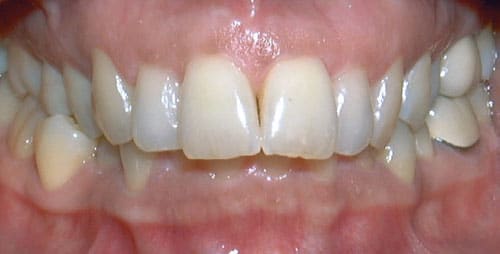
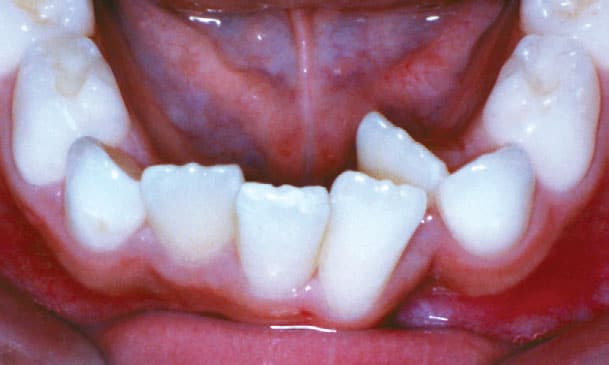
Crowding
Crowding occurs when there is insufficient space for teeth to erupt properly. Teeth may overlap, twist, or become difficult to clean, increasing the risk of decay and gum disease. Many cases of crowding can be corrected with expansion or modern orthodontic techniques, often avoiding tooth removal.
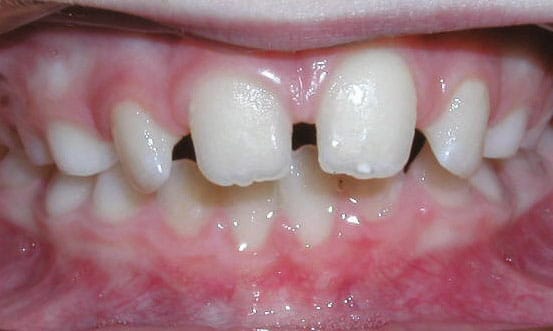
Spacing
Spacing problems involve gaps between teeth and may be caused by missing teeth, small tooth size, or jaw alignment differences. While spacing can be cosmetic, it may also affect bite stability and function. Orthodontic treatment can close gaps and create a more balanced smile.
Underbite
An Underbite occurs when the lower jaw extends forward, causing the lower front teeth to sit in front of the upper front teeth. This condition can impact chewing, speech, and facial appearance. Treatment depends on severity and may involve orthodontic appliances or growth-guided correction.
How Can Orthodontic Treatment Help?
Orthodontic treatment at Green-Barr Orthodontics is customized to each patient’s needs. By addressing these common problems, treatment can:
Improve bite function and comfort
Make teeth easier to clean and maintain
Reduce uneven wear and jaw strain
Enhance facial balance and smile confidence
If you or your child shows signs of any of these orthodontic concerns, an evaluation with Dr. Barr or Dr. Green can help determine the most effective treatment path.